
What Is an Anti-Caking Agent?
An Anti-Caking Agent is a specially formulated additive used to prevent powders, granules, crystals, and other bulk materials from sticking together and forming hard lumps during storage, transportation, and handling.
Moisture, humidity, temperature fluctuations, and pressure during storage can cause powdered materials to absorb moisture and form solid masses. Anti-caking agents help minimize these problems and maintain the free-flowing properties of the materials.
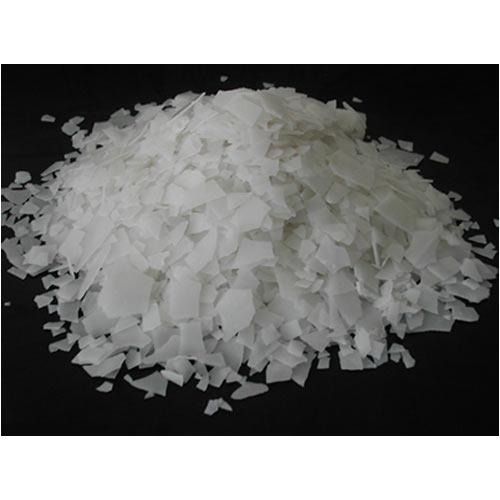
Products such as Cakefree Flakes are supplied for applications where preventing caking and improving material flowability are important.
How Does an Anti-Caking Agent Work?
Anti-caking agents work through different mechanisms depending on their chemical composition and formulation. These may include:
Absorbing excess moisture from the material.
Reducing moisture-related adhesion between particles.
Creating a protective coating around granules or crystals.
Improving the flowability of powdered materials.
Reducing lump formation during prolonged storage.
Common Industrial Applications
Anti-caking agents are widely used across several industries.
1. Fertilizer Industry
Used in fertilizer manufacturing and processing to minimize lump formation in products such as urea, NPK, and ammonium sulfate.
2. Chemical Industry
Helps maintain the free-flowing properties of industrial chemicals, powders, and granular materials.
3. Salt Processing
Used to reduce the sticking and clumping of salt crystals caused by moisture absorption.
4. Detergent Manufacturing
Helps prevent powdered detergents from forming lumps and improves product handling.
5. Agricultural Industry
Supports the storage, packaging, and handling of granular agricultural materials.
6. Food Processing
Suitable food-grade anti-caking agents are used in powdered food products to maintain consistent texture and flowability.
Benefits of Using Anti-Caking Agents
Prevents unwanted lump formation.
Improves powder and granule flowability.
Supports efficient packaging and handling.
Helps maintain product quality during storage.
Reduces material wastage caused by hardened lumps.
Improves production and processing efficiency.
Why Choose the Right Anti-Caking Agent?
Selecting the correct anti-caking agent depends on the material being treated, moisture conditions, storage duration, operating temperature, and required application standards.
It is important to verify the product’s technical data sheet (TDS), safety data sheet (SDS), chemical composition, and compatibility before use.
Conclusion
Anti-caking agents play an important role in modern industrial processing by maintaining the quality, consistency, and flowability of powdered and granular materials. From fertilizer production and chemical manufacturing to salt processing and detergents, these additives help improve storage, transportation, and production efficiency.
Reviews
There are no reviews yet.